


Vio: Hotels & travel deals
4.81.18K Reviews
App Specs
- Version
- 2.25.0
- Updated On
- License
- Free
- Downloads
- 1,000,000+
- Developer
- Vio.com
- Categories
- Travel & Local
- Platform
- Android, iOS
Screenshots
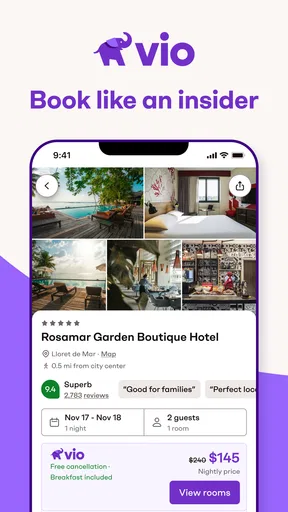
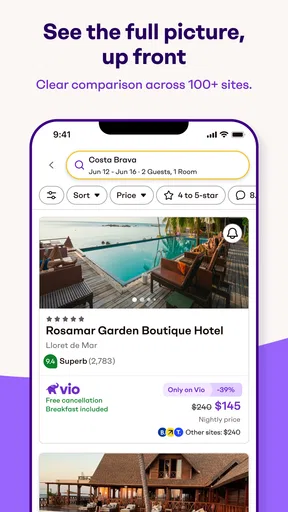
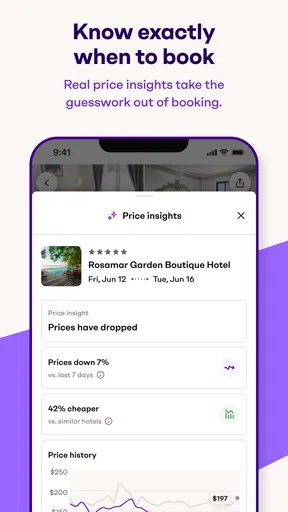
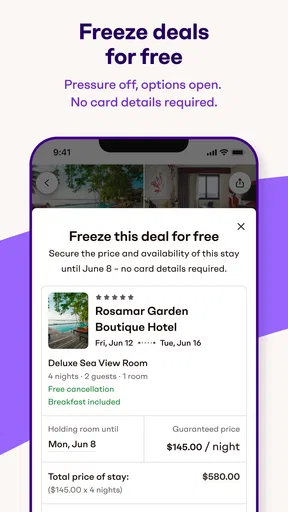
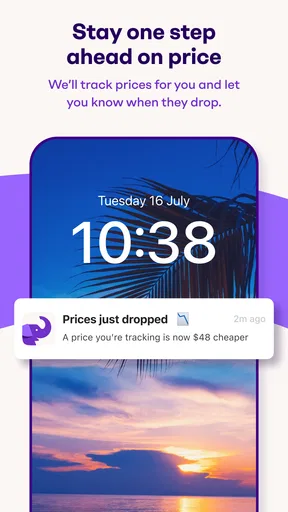
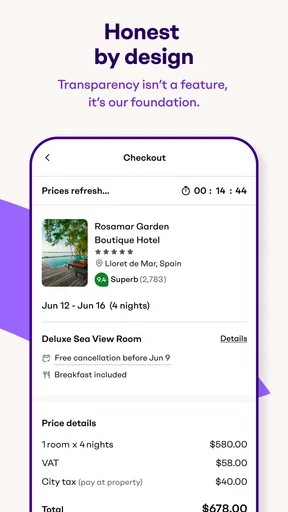
 Analysis by AppCompare
When I look for a hotel, I usually open more than one booking service because the first price I see is rarely the whole story. Vio: Hotels & travel deals takes a different approach: it puts comparison at the center and adds tools intended to help me hold on to a promising deal while I decide. After spending time with this free travel app, my view is that it is most useful for flexible travelers who enjoy checking several options before committing, rather than for someone who simply wants the fastest possible reservation.
The app is developed by Vio.com and belongs to the Travel & Local category. Its store page presents it as a way to compare hotel prices, freeze deals, and search for better rates. That description is short, but it points to the real appeal: the app is less about inspiring a destination and more about helping me make a sharper hotel-buying decision once I already know where I want to go.
How Vio fits into the hotel-search process
I find the app easiest to understand when I treat it as a comparison layer rather than a complete travel planner. I start with a destination, dates, and the kind of stay I want, then use the results to examine different properties and prices. This is a familiar workflow, but Vio makes the comparison itself feel like the main event instead of an afterthought.
That matters because hotel shopping can become confusing very quickly. A room may look cheaper until taxes, cancellation terms, room type, or breakfast details change the real value. Vio is helpful when I slow down and compare the offer rather than reacting to the largest discount label. The app encourages a more deliberate search, which is exactly what I want when the difference between two apparently similar rooms could affect the whole trip.
The “freeze” idea is particularly interesting for travelers who are not ready to book immediately. In everyday use, I might find a good room during a lunch break, but still need to confirm vacation dates or check the plan with another traveler. Being able to preserve a deal can reduce the pressure to make an instant decision. I would still read the conditions carefully before relying on any held offer, but the workflow is more practical than simply saving a browser tab and hoping the same price remains later.
One useful habit is to compare the same property at different points in the day or across nearby dates. Hotel pricing can move, and a single search is not always enough to reveal whether an offer is genuinely attractive. Vio works well for that kind of repeated checking because the purpose of opening it is already clear: find the strongest available hotel deal for the exact trip I am considering.
The app also suits people who are willing to consider several properties instead of arriving with one fixed hotel in mind. If I search only for a particular chain or one exact address, a traditional hotel app may feel more direct. If I care about location, room conditions, and total value together, comparison becomes more valuable. That is where Vio earns its place on my phone.
Worth Reading Before You Choose

EA SPORTS FC Mobile 26 Is a Bigger Football Game, but It Takes Time

Flipboard Shows What News Apps Must Do Beyond the Feed

Switching to Android Auto Means Rethinking Your Driving Routine

Google Calendar Makes a Crowded Week Easier to Manage

Ludo King Makes the Most of the Minutes Between Plans

Baby Panda World Brings Quick Play to Modern Phones, but Its Game Library Feels Busy
The strongest part is decision support, not destination discovery
My strongest impression is that Vio helps with the difficult middle stage of booking: I know where I am going, but I have not decided where to stay. It is not trying to replace every part of a travel itinerary. Instead, it focuses attention on hotel prices and the choice between competing offers.
That focus is useful for several types of trip. On a city break, I can compare rooms near the area I want without assuming the first familiar booking brand has the best value. For a work trip, I can check whether a slightly different property offers a better balance between price and convenience. For a family trip, I can use comparison to avoid choosing a room that looks inexpensive but does not match the practical needs of the stay.
A less obvious advantage is that comparison can expose false savings. A lower headline price is not automatically better if it comes with a less suitable room or stricter terms. I use the app most effectively when I treat every result as a starting point for verification: check the room description, inspect what is included, and compare the final conditions before I make a decision. The app can make that process faster, but it cannot make the judgment for me.
I also like the idea of separating research from commitment. Many hotel searches happen at inconvenient moments, and the best option may appear before I am ready to pay. A deal-freezing workflow gives the search more structure: identify a candidate, preserve it if the terms make sense, then return after checking the rest of the trip. That is more disciplined than booking impulsively or repeatedly searching without recording anything.
For someone who travels often, small improvements in this process add up. I can use Vio to create a short list rather than opening many unrelated pages. I can compare a central hotel with a cheaper property slightly farther away, then decide whether the savings are worth the extra travel time. This is a concrete trade-off that a simple “book now” experience tends to hide.
What the numbers suggest about its place in the market
Vio has reached over a million installs, and its store presence shows a 4.8 average from around fourteen thousand ratings, alongside roughly twelve hundred written reviews. Those figures make it look like an established choice rather than an obscure experiment, although I still judge a travel app by how clearly it handles the details of an individual booking.
It is free to install, which makes trying it alongside my usual hotel search easy. The app is rated for Everyone, so it is positioned as a broadly accessible travel tool rather than a service aimed at a narrow age group. The current version is 2.25.0, and it supports Android 7.0 or later, a useful point for anyone using an older device.
The release date shown for the app is March 30, 2023. That gives the product enough time to establish a recognizable booking workflow while still feeling like a relatively modern comparison service. I would not choose it solely because of its rating or install count, but those signals make it reasonable to test before settling into a more expensive or less flexible booking routine.
A realistic way I would use it for a weekend trip
Imagine I am planning a two-night weekend in a city I know only moderately well. I have a rough neighborhood in mind, but I do not need one specific hotel. I would begin by searching the dates, then compare several properties that meet the basic location requirement. Instead of selecting the cheapest result immediately, I would check whether the room type matches the number of travelers and whether the booking conditions make sense for my schedule.
Next, I would narrow the list to two or three realistic candidates. One might be cheaper but farther from the center; another might cost more but save time on local transport. If a suitable deal can be frozen, I would use that breathing room to confirm arrival plans and discuss the choice with whoever is traveling with me. Only after that would I return to the offer and complete the reservation.
This workflow shows both the strength and the responsibility involved. Vio can reduce the amount of scattered searching, but I still need to understand what I am buying. The app is most valuable when I use its comparison tools to support a decision, not when I assume the first highlighted bargain is automatically the best one.
The limitation: comparison can add another layer of checking
My main reservation is that a comparison-focused app does not remove the complexity of hotel booking; sometimes it makes me more aware of it. Different offers may vary in cancellation rules, included extras, room details, and the final amount payable. That is not a flaw unique to Vio, but it means the app rewards careful users more than impatient ones.
I also would not expect the app to solve every travel need. If I want loyalty benefits tied to a particular hotel chain, the chain’s own app may be a better choice. If I already know the exact property and want the simplest direct reservation, adding a comparison step may feel unnecessary. Likewise, travelers who prefer to speak with a person before booking a complicated stay may be better served by a traditional travel agent or a service with stronger personal support.
Another trade-off is choice overload. Seeing multiple prices can be useful, but it can also make a straightforward decision feel like an extended research project. I recommend setting a limit before searching: for example, compare a small group of suitable hotels, identify the real differences, and stop once one option clearly fits. Without that discipline, the search can continue long after the useful information has run out.
Deal freezing also needs a sensible interpretation. I see it as a way to buy time, not as permission to ignore the offer’s conditions. Before relying on a held price, I would check how long the arrangement lasts and what action is required next. If the trip is uncertain, I would prioritize flexible terms over an attractive headline price. A cheaper room is not a bargain if changing plans creates a larger problem.
Who will get the most from it
Vio is a strong fit for people who regularly compare hotel prices, travel with flexible dates, or need time to discuss a booking. It is especially useful for independent travelers who are comfortable reading room details and making their own value judgments. Those users can take advantage of the app’s central idea without expecting it to make every decision for them.
I would also recommend it to budget-conscious travelers who do not want to rely on one familiar booking brand. Comparing alternatives can reveal opportunities that are easy to miss when I search in only one place. The app is useful for short breaks, business stays, family visits, and last-minute research, provided I am willing to inspect the conditions rather than focus only on the displayed rate.
People who should skip it are those who already have a trusted direct-booking relationship and rarely compare options. It may also be a poor match for someone who wants a highly guided travel experience covering flights, activities, maps, and personal recommendations in one place. Vio’s value is narrower and clearer: hotel deal discovery and comparison, with a way to pause before committing.
My final view after using it
My verdict is positive, with one important qualification: Vio is best treated as a smart hotel-search companion, not an automatic bargain machine. Its free access, focused comparison workflow, and deal-freezing concept make it worth trying when I am deciding between several stays. The app gives me more room to think, especially when dates or travel companions are not fully settled.
At the same time, I would never book from a price alone. I would verify the room, read the conditions, consider the location, and compare the total value against the convenience of booking directly. That extra care is not wasted; it is what turns the app’s search tools into a useful travel habit.
For me, the clearest reason to keep Vio: Hotels & travel deals installed is that it changes hotel shopping from a rushed click into a comparison process. It is a practical choice for travelers who want to search broadly and decide carefully. If that sounds like the way you plan trips, I think it is worth adding to your routine. If you want the shortest path to one known hotel, a direct hotel app will probably feel simpler.
Pros
- Easy hotel search with useful filters for price
- location
- and amenities.
- Deal-focused listings can help travelers find competitive accommodation rates.
- Clear property photos and descriptions make comparison more convenient.
- Supports trip planning from a mobile device while traveling.
- Useful for discovering hotels in many popular destinations.
Cons
- Some deals may have limited availability or strict booking conditions.
- Final prices can vary after taxes
- fees
- or selected dates are added.
- Hotel quality and listing accuracy may differ between properties.
- Cancellation policies are not always equally flexible across bookings.
- The app may require location or notification permissions for full functionality.
FAQs for Vio: Hotels & travel deals
What is Vio: Hotels & travel deals, and how does it work?
Vio: Hotels & travel deals is a travel app designed to help users search for and compare hotel accommodations and other travel offers. After entering a destination, dates, and number of guests, the app displays available properties with details such as prices, photos, amenities, and guest ratings. It is useful for quickly exploring options, although the final booking conditions should always be checked carefully.
Can I book a hotel directly through Vio?
Vio may connect you with hotel offers and booking partners, depending on the property and destination selected. In some cases, the reservation process may be completed through an external website or partner platform rather than entirely inside the app. Before confirming, review the provider’s payment terms, cancellation policy, taxes, fees, and confirmation details so you know exactly where the reservation is being made.
Are the prices shown in Vio the final prices I will pay?
The prices displayed in Vio can be helpful for comparing accommodation deals, but they may not always represent the complete final cost at the first stage of the search. Taxes, resort fees, cleaning charges, service fees, currency conversion costs, or optional extras may be added later. Always continue to the final booking summary and verify the total price before submitting payment.
Does Vio offer flexible cancellation and refund options?
Cancellation and refund rules are determined by the individual hotel or booking provider, not necessarily by the Vio app itself. Some rooms allow free cancellation until a specific deadline, while discounted or prepaid rates may be non-refundable. I recommend opening the full rate conditions before booking and saving the confirmation email, especially when travel plans could change unexpectedly.
Is Vio: Hotels & travel deals safe to use for travel reservations?
Vio can be useful for discovering accommodation deals, but users should treat every reservation as a transaction that requires verification. Download the app from an official store, check the booking partner’s name, use secure payment methods, and avoid sharing sensitive information through unofficial messages. After booking, confirm that you receive a valid reservation number and contact the hotel or provider if anything looks unclear.


